
ZENFLIX
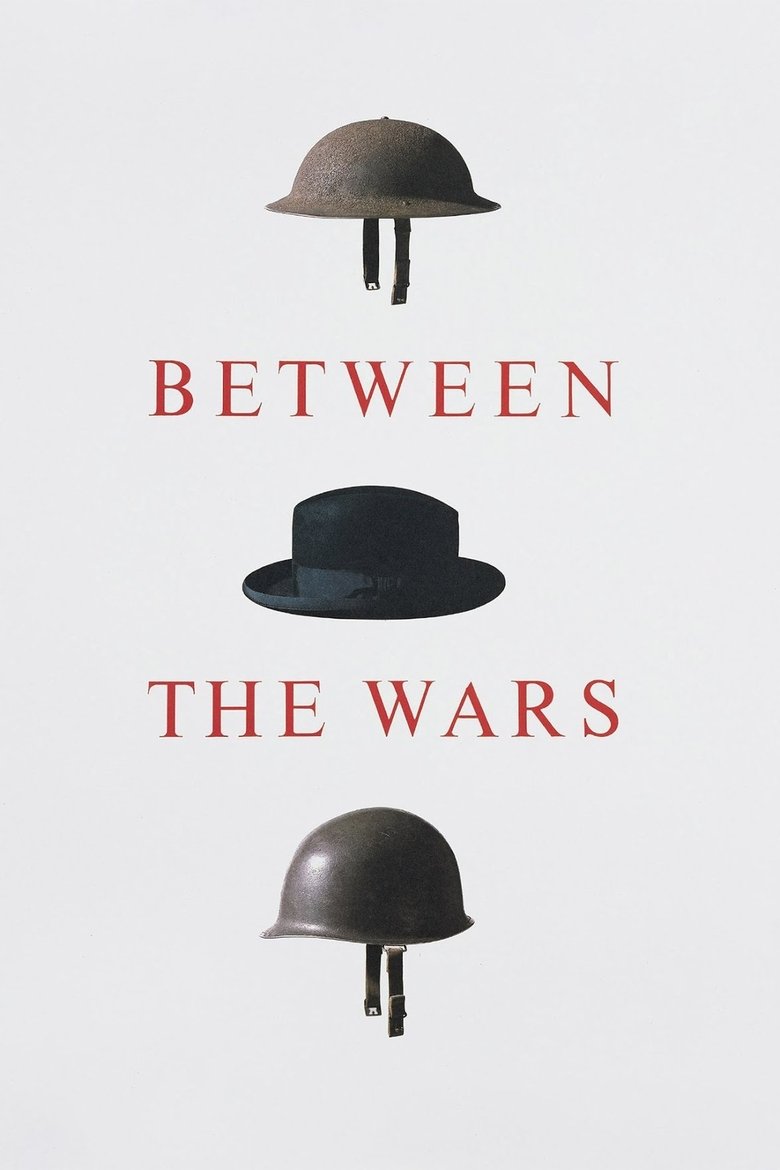
Between the Wars poster
BACK TO SERIES

BETWEEN THE WARS

19789.5 RATING1 SEASON16 EPISODESWAR & POLITICS

This classic series follows the events that sparked the greatest conflict of the century, capturing the drama, the excitement and the ideological juxtapositions of these crucial years. Former CBS News correspondent and commentator Eric Sevareid, one of the world's most respected figures in journalism, presents this extraordinary series featuring stunning original newsreels, soundtracks, and rare archival footage.

PRINCIPAL CAST

Eric Sevareid
ERIC SEVAREIDHost

SERIES GUIDE

SEASONS & EPISODES

SEASON
PLAY S01 E01
NO STILL
S01 E01

1978-04-05 / 30 MIN

VERSAILLES: THE FIRST PEACE

President Woodrow Wilson's idealistic hopes for world peace through collective security clash at Versailles with the harsh old-world real-politik of Europe, which wanted to punish Germany. The resultant punitive treaty, in effect, sows the seeds of World War II. Mini-biographies of Wilson and his mysterious behing-the-scenes advisor, Colonel Edward House, who compromised Wilson's ideals. The startling effects of Wilson's bout with influenza struck him down during a critical period of negotiations. Wilson was forced to compromise his ideals, but he returned home to fight for ratification of the League of Nations.

PLAY EPISODE

NO STILL
S01 E02

1978-04-12 / 30 MIN

RETURN TO ISOLATIONISM

The ultimate failure of Woodrow Wilson destroys himself in his desperate struggle for the League of Nations. The President and the Senate fight for control of American foreign policy: the Senate wins. Wilson is opposed by a powerful coalition of conservatives like Sen. Henry Cabot Lodge, and his case to the people embarks on a grueling 8,000 mile train trip and suffers a stroke. During his illness, Mrs. Wilson acts as regent, or caretaker president for 17 months. Wilson refuses to compromise on the League of Nations and ironically is responsible for its defeat.

PLAY EPISODE
NO STILL
S01 E03

1978-04-19 / 30 MIN

THE FIRST SALT TALKS

The forces favoring peace through disarmament clash with the forces for peace through military strength. In 1921, the world's first major disarmament conference limits the post war arms race, and the most important strategic weapon of the times – the battleship. General Billy Mitchell demonstrates the superiority of air power by bombing obsolete battleships in Chesapeake bay. While the American military remains unconvinced, Japanese observers were extremely impressed as they would later demonstrate at Pear Harbor.

PLAY EPISODE
NO STILL
S01 E04

1978-04-26 / 30 MIN

RADIO, RACISM AND FOREIGN POLICY

Disillusioned by the horrors of World War I, the U.S. tries to isolate herself from the rest of the world. Strict immigration quotas are imposed and a mistrust of foreigners and minorities ushers in an ugly period of racism and ethnic discrimination. The advent of radio helps to project a standard image of the "good American" but at the same time lets in news of foreign nations.

PLAY EPISODE
NO STILL
S01 E05

1978-05-03 / 30 MIN

THE GREAT DEPRESSION AND FOREIGN AFFAIRS

The Depression is a traumatic national experience which shatters U.S. self-confidence and paralyzes foreign policy, thus leading to further isolationism. The world-wide depression gives rise to national dictators, but we are so preoccupied with domestic problems that we ignore the threat. President Hoover is not equipped to deal with the national crisis. The London Naval Conference insults Japan and when the Japanese invade Manchuria, a preoccupied United States does nothing.

PLAY EPISODE
NO STILL
S01 E06

1978-05-10 / 30 MIN

FDR AND HITLER: THE RISE TO POWER

"The individual does matter in history" -- a contrast of the style of FDR and Hitler shows how technological change and individual charisma can change history. FDR uses a new medium (radio) to political advantage; Hitler utilizes the new sound movies. This episode contrasts their economic programs which deal with the Depression and show how each used propaganda (Nazi propaganda and New Deal propaganda). The careers of both men culminated in 1933. Hitler, representing a minority party, was appointed Chancellor and rapidly consolidated his power through propaganda and terrorism. President Roosevelt stood prepared to try new methods of attacking the economic crisis.

PLAY EPISODE
NO STILL
S01 E07

1978-05-17 / 30 MIN

FDR AND HITLER: THE DYNAMICS OF POWER

Both Hitler and Roosevelt appreciated the value of mass communications. FDR began his series of "fireside chats" to reassure and inform the people while Hitler assigned Josef Goebbels as Minister of Propaganda to control the public through radio and rallies. F.D.R. wished to stabilize the economy and restore confidence to the people. Hitler began extensive rearmament in hopes of national expansion.

PLAY EPISODE
NO STILL
S01 E08

1978-05-24 / 30 MIN

AMERICA IN THE PACIFIC: THE CLASH OF TWO CULTURES

This overview of U.S.-Japanese relationships from the turn of the century until 1933 is a story of conflict. Japan emerged from World War I as a major power, but American diplomats made little effort to understand the Oriental mind. Our Japanese foreign policy, including immigration quotas and protective tariffs, does little to improve relations.

PLAY EPISODE
NO STILL
S01 E09

1978-05-31 / 30 MIN

THE RECOGNITION OF RUSSIA: A CLIMATE OF MUTUAL DISTRUST

From the Bolshevik Revolution in 1917 until the Roosevelt administration officially recognized the U.S.S.R. in the first detente in 1933, American relations with the Soviet Union were mistrustful and hostile. Cold War attitudes can be traced back to this period and the national paranoia over Bolshevism.

PLAY EPISODE
NO STILL
S01 E10

1978-06-07 / 30 MIN

LATIN AMERICA: INTERVENTION IN OUR OWN BACKYARD

FDR's "The Good Neighbor Policy", his greatest foreign policy success, was a key development in reversing the U.S. imperialistic attitude toward Latin America. For over a century, the Monroe Doctrine had been invoked to justify intervention in the Caribbean, Central, and South America. Pan-American relationships deteriorated rapidly until 1933, when the policy in intervention was abolished.

PLAY EPISODE
NO STILL
S01 E11

1978-06-14 / 30 MIN

THE ITALIAN-ETHIOPIAN WAR: AFRICA IN WORLD AFFAIRS

The short-lived but brutal Italian-Ethiopian War leads to an examination of Italian Fascism, the character of Mussolini and how he came to power. Mussolini ruled with apparent effectiveness and was hailed by leaders of the anti-Communist world until his dreams of empire led him to invade Ethiopia. The incident was one of the chief episodes paving the way for World War II.

PLAY EPISODE
NO STILL
S01 E12

1978-06-21 / 30 MIN

THE SPANISH CIVIL WAR

The Spanish Civil War was a microcosm of the ideological conflict of this century. When Spanish fascists under Franco rebel against the republican government, full-scale civil war erupts. Mussolini and Hitler send troops to Franco's aid. Soviet support of the Loyalists lends credence to the fascist claim that it is communism they are fighting, and the American public is confused over issues of fascism and communism.

PLAY EPISODE

YOU MAY ALSO LIKE

Baskoniako Historia Bat poster

BASKONIAKO HISTORIA BAT

10.02016TV
Nazi Megastructures poster

NAZI MEGASTRUCTURES

7.72013TV
The World Wars poster

THE WORLD WARS

7.42014TV
Our Planet poster

OUR PLANET

8.52019TV
Veep poster

VEEP

7.52012TV
Seven Worlds, One Planet poster

SEVEN WORLDS, ONE PLANET

8.52019TV
Planet Earth III poster

PLANET EARTH III

8.62023TV
Madam Secretary poster

MADAM SECRETARY

7.02014TV

DISCUSSION

0 COMMENTS

No comments yet.BE THE FIRST TO SHARE YOUR THOUGHTS